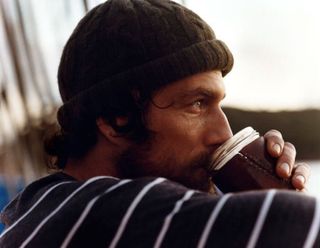
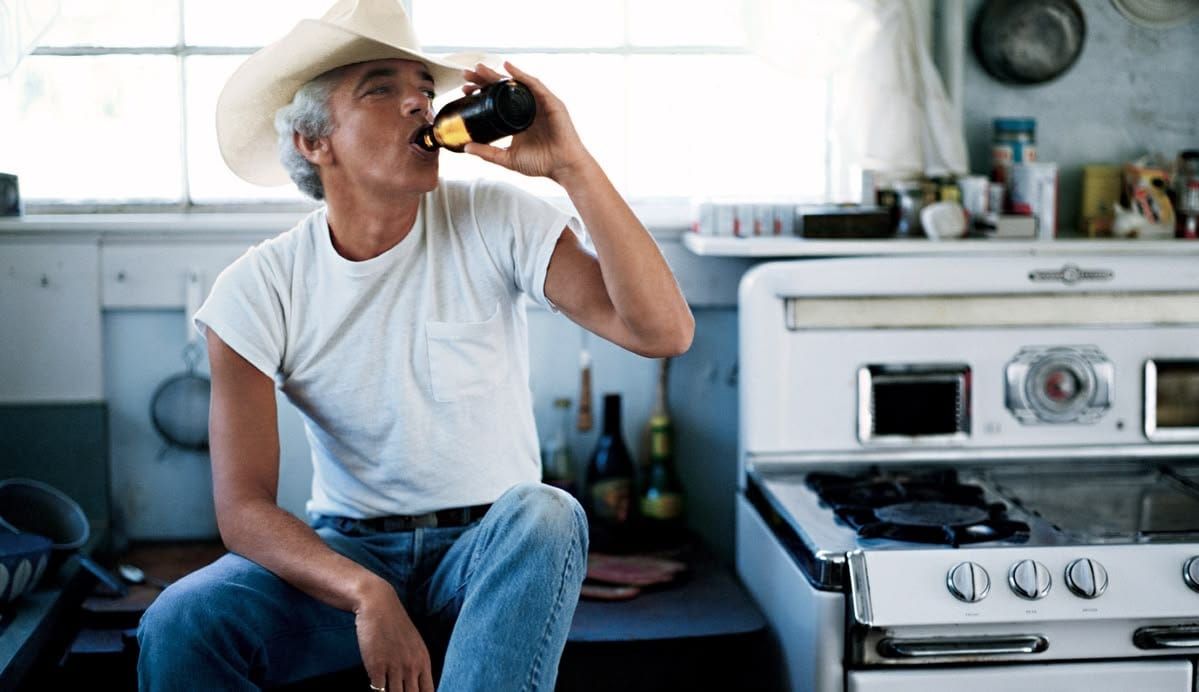
The philosophy of the shirt is one I truly find very fascinating. From its birth to its time on Earth, hugging many people, but giving a certain power to a man I believe can challenge the power a suit gives to a man. To a certain point in my life, after seeing the silhouette of a shirt, a fitting one, beyond many characters that I personally looked up to, and many men surely did as well, I considered the shirt even stronger than the suit at times. It was like the shirt was a hero's costume, but the suit was the hero's costume with a cape. And although these two things, the shirt and the suit, became a necessity to man, I think they share a beauty of a connection that we kind of overlook. And I don't blame our lack of taking time to understand. I mean, you see a shirt every day. And in today's time, you may not see a suit as much as the 1950s and '60s. But I think those years of wearing a suit has polluted our eyes enough. But once you take a step back and view the timeline of both silhouettes and its functions and its usage, time of wear, you realize the shirt and the suit has been with us for a very long time and has showcased many positions of the man. The suit usually showing a man who has class, elegance, ready for business, formality. Yet the shirt alludes a need for air, hardworking, day to day, and in some cases rebelliousness. The more I think about it, it's fascinating what fabrics can say due to their shape or layered. But when it really comes to the philosophy of the shirt, I think that is one where we poke at from time to time in fashion. There'll be a time period where it becomes the day to day and everybody ignores it. It's a functional piece of clothing. When it's hot, you wear it. When it's really hot, you take it off. When it's cold, you still might wear it with a jacket. When it's very cold, you will wear it with a couple of jackets. To me, it sounds like the shirt has become our skin. It has become our DNA. Before work and now, the door. It's our first step. It's become the reference point and the blueprint to many, many silhouettes and many cuts in fashion: long sleeves, button ups, polos. We wouldn't have none of them without the shirt. I'm sure we don't think about that all the time, but again, when you take a step back, you will realize you've been wearing the blueprint all along.
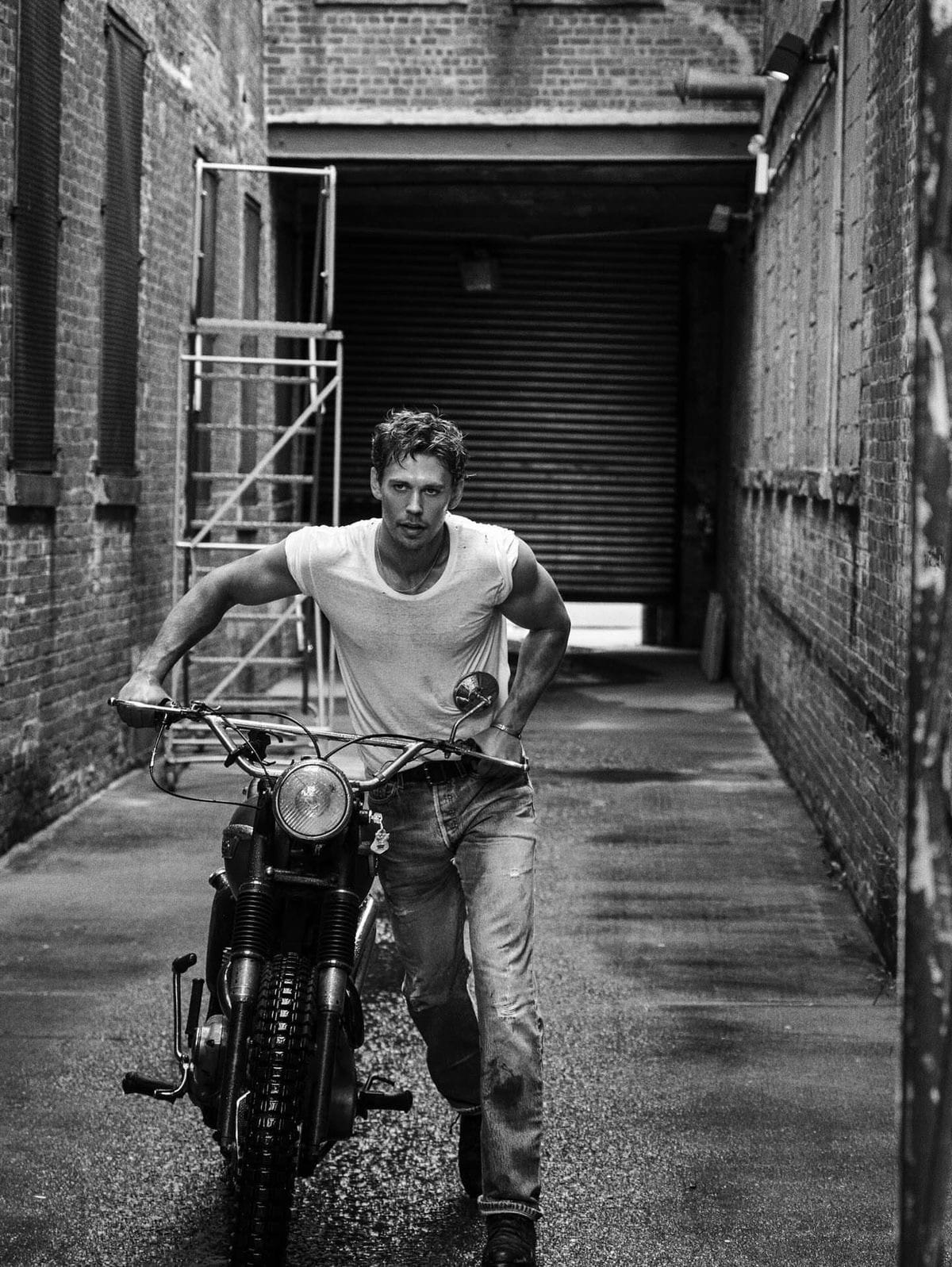
But when it comes to menswear, men have found and maybe sniffed the philosophy of the shirt in a sense. I don't know if that was because our lack of versatility when it comes to fashion. We really don't have too much, so many people say. And it's given us time to think about what we do have a little bit more deeper. I don't know, maybe this sense of love for the blueprint may start another blueprint or give birth to something new. I'm not quite sure yet. But what I do know is the philosophy of the shirt is finally peeking through the window. But this window being open doesn't let it get to just peek at us. We also get to kind of peek at its origin. Or should I say its golden age: the fifties. Cats like Jimmy Dean, Paul Newman, Stephen McQueen. But one that catches many eyes, and in today's time, has been the reference of the man in the shirt, has been Marlon Brando.
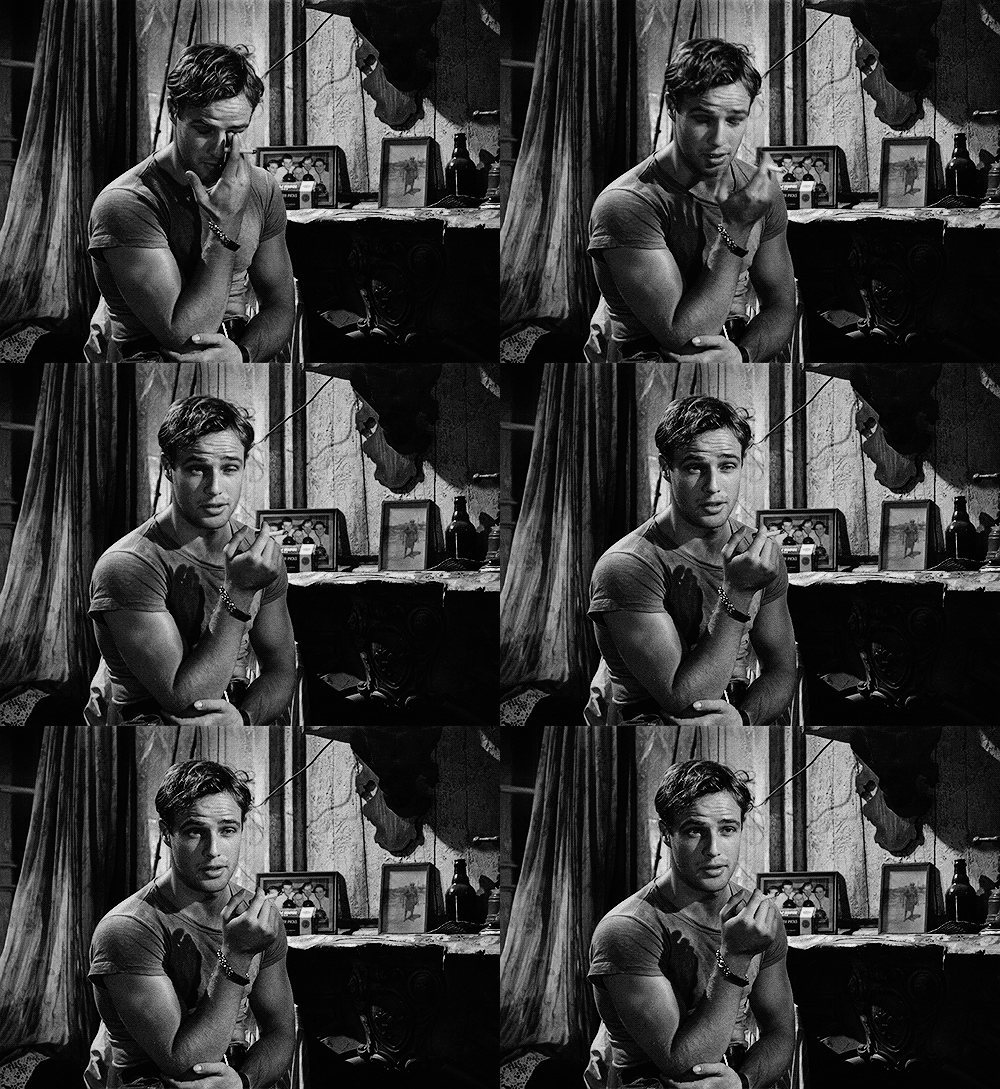
Specifically, Marlon Brando in the film A Streetcar Named Desire. Stanley Kowalski, played by the great Marlon Brando, Made the t-shirt his philosophy, as that was one of the main things he was wearing throughout the film. At the time, the t-shirt was no different as important as the sock. As it was a day to day thing and nobody really thought anything of it. But when Marlon Brando wore it in that film, many say after that, the t-shirt became fashion. Until this day, many have been trying to perfect the shape of the shirt, referencing his character in that film. Some have achieved it, yet still believe they haven't. It's become such a philosophy in cut. You'd be surprised how crazy people have gone, lengths just to recreate that shirt from the film.
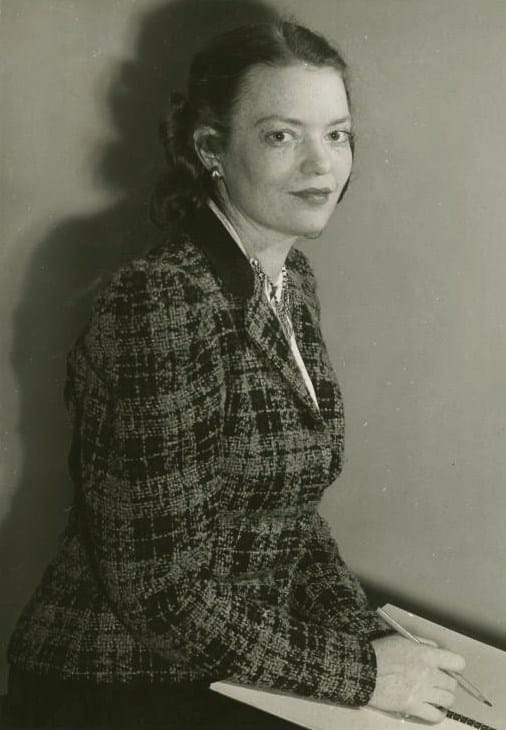
But in the film, Lucinda Ballard was the costume designer of the film A Streetcar Named Desire. She was inspired by working men, whose clothes cling to their bodies through sweat and dirt. She dressed Brando in a particularly close fitting T-shirt and jeans to emphasize the physicality presence. And the physical presence was perceived to many men in today's time to maybe that being the reason why this shirt was beautifully fitted. They've done so many cuts, so many renditions. They've seen it in many sizes and many shapes. It confused them so much to the point where they just ignored the whole silhouette and decided it was them and their proportions, which definitely people overlook many times in fashion, because proportion is truly the most important factor in styling and in making an outfit look the way you want it to look, or a certain way. I mean, fashion is based on proportion. So many men started to go to the gym, rack up some time on the bars, sign up, get some membership at Planet Fitness. And for some, it seemingly did work. The fit started to really look the way it was meant to look. A lot of guys sized down. It was coming all together, but there was one thing missing. The philosophy wasn't truly understood yet. It wasn't achieved. The answer wasn't showcasing itself. What was missing about the shirt that everybody was trying to understand? They cut in many sizes. They changed their body proportions, worked out. Well, that is where my take on the shirt's philosophy comes in, and that is… “it was never the shirt.
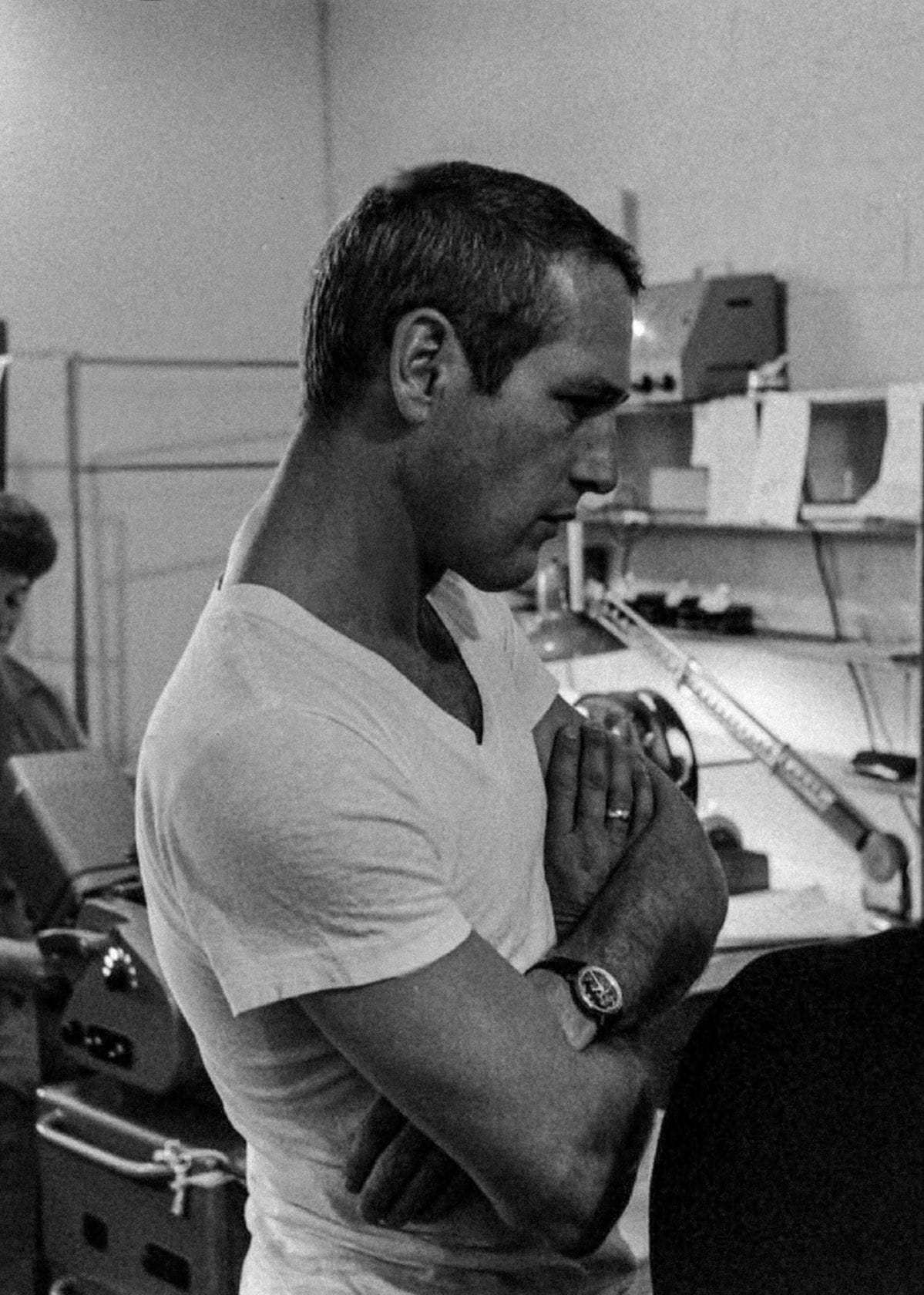
Why don't the shirt fit you like it fits Paul Newman? Why don't it fit you like it fits Brando? It doesn't even fit you like Steve McQueen. Well, I hate but love to break it to you now, that it's because it was never the shirt. It was the poem the man told while wearing it. These guys had something in common. Not only they were actors, were in many films, but they had something that spoke louder than their movies. And it was their character, their personal character that reshaped the T-shirt into fitting them very well. Their off screen activities put the ink to the pen, giving what they jotted down to be what separated them from many.
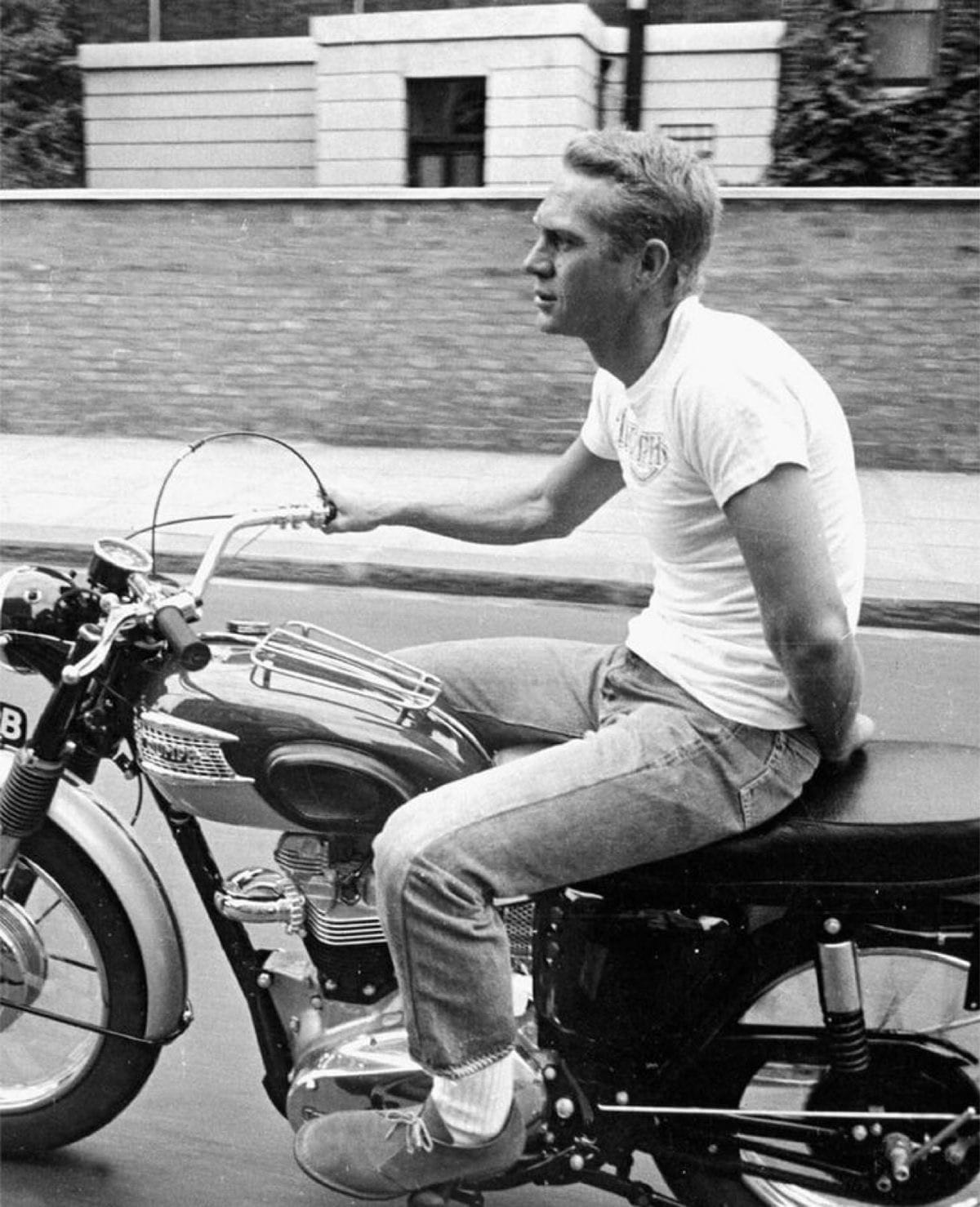
It was as if Steve McQueen's activities off screen were suggested by his outfits alone. The things he was doing. McQueen would put his abilities under scrutiny. There was this one time in 1964 where he competed on an American team in the International Six Days Trial in East Germany riding a motorcycle alongside experienced competition including Bud and Dave Ekins. His daring activities gave his outfits character and allure. Plus the photos captured, beautifully showcased the outfits being the secondary position upon who they were and what they were doing. And their activity was the overlapping source that shined the brightest. These activities were the focal point to many of their iconic photos.
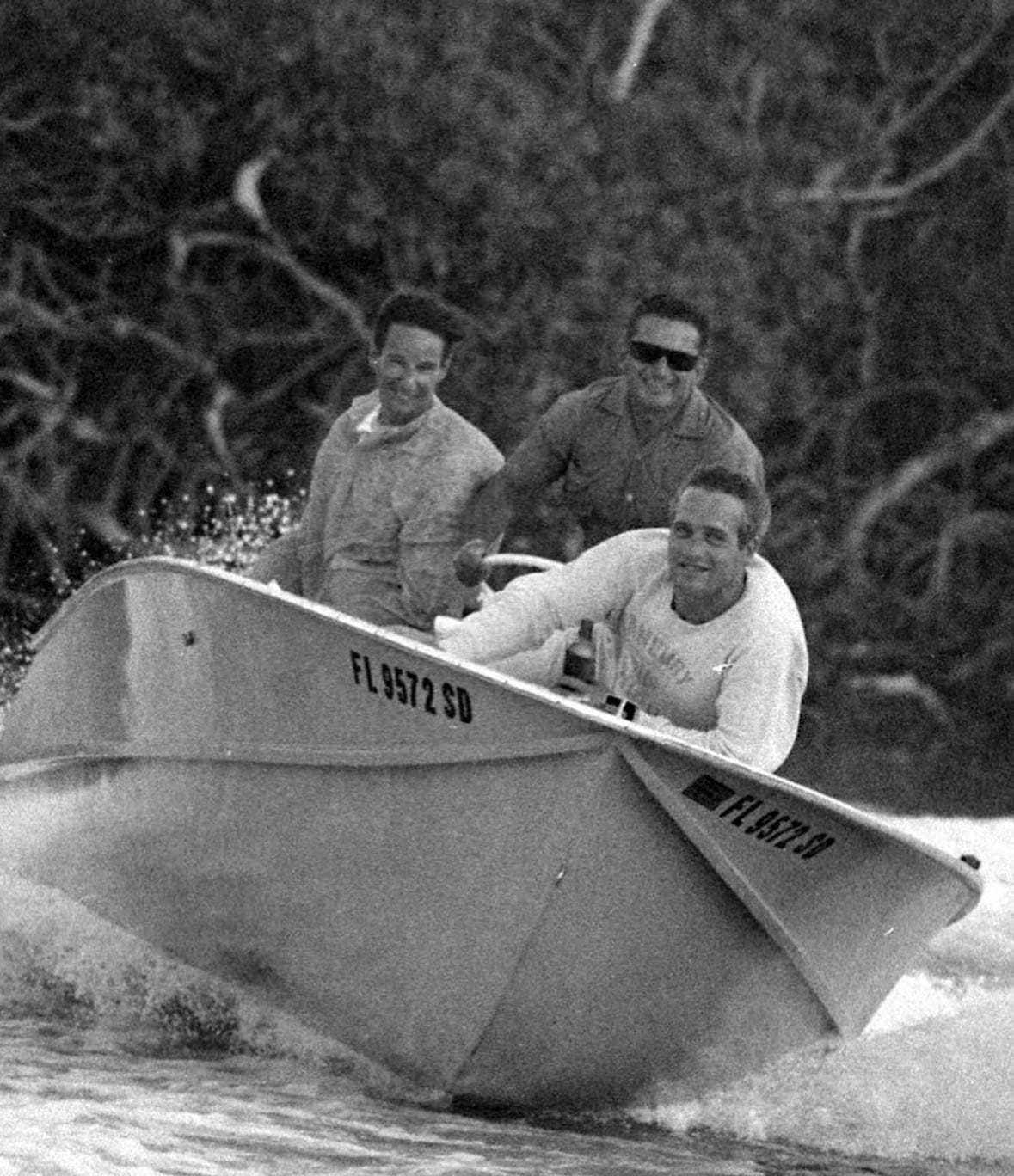
One of Paul Newman riding a boat, like a horse in the rodeo. Or even later on, his passion for racing coming up when he was in his 40s. And Marlon Brando, being known as the cool bad boy, some even saying he was hard to handle at set, and would use cue cards to read his lines.
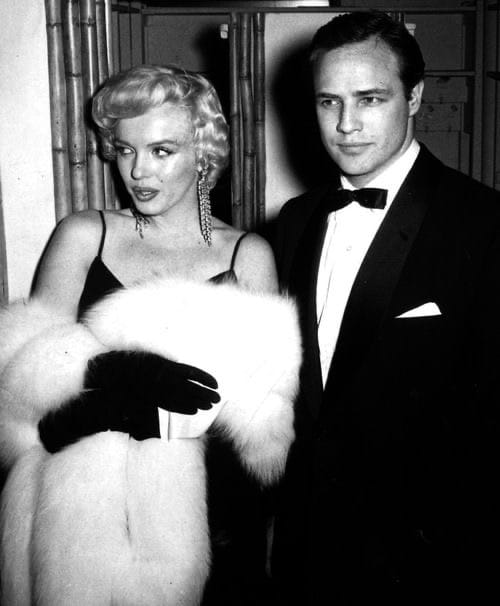
Even being rumored to being with Marilyn Monroe, that alone should tell you the aura he conveyed. These men told poems, which made the clothes they wore mean things to many men, and be referenced by many brands. They truly were in all your favorite brands' mood board when it comes to menswear, because they alluded the definition of menswear and became pioneers that will ultimately shape uniforms men will wear today.
Remember this. The shirt is the canvas. Who you are will be the color that shows. The way you present yourself. How you feel, look. Your passion in your activities. The lore you create and carry. Who you surround yourself with, and where you surround yourself. These are things that make an outfit an outfit and give it the ability to stay timeless. We're still gonna wear a shirt regardless. But no, it took a couple of men doing their favorite activities and capturing that in the moment, just so that we can reconfigure a T-shirt to look exactly like theirs, to look and feel exactly like them. They wrote their poem. It's time you write yours. And don't forget your shirt